

As we grow older our teeth may reach the point where they begin to fall out. When this happens the surrounding tissues are at their weakest point, meaning that it is particularly easy for teeth to fall out. The solution to this dental issue is to have dentures installed as a removable replacement for both teeth and tissues. However, there are two kinds of dentures that are available for this purpose: complete dentures and partial dentures. Here are some of the differences between the two, along with when it is optimal to get one procedure over the other.
What are Complete Dentures?
Complete dentures are made for the complete replacement of an entire set of teeth. They can either be pre-made for the patient or custom designed to the patient’s jawline and bone structure. When complete dentures are pre-made they require a bit more adjustment for the proper fitting when compared to conventional fittings.
What are Partial Dentures?
Partial dentures, like the name suggests, are for the replacement of a select group of teeth rather than the entire set. These dentures involve the use of fixed bridges, placing crowns on either side of the teeth, and then attaching artificial teeth to them. Once in place, the bridge is cemented into the metal framework of the denture. Partial dentures also prevent other teeth from shifting while in place.
Alternatives To Dentures?
There is an upward trend these days in which dental implants have become the substitute for dentures. However, dental implants put a lot of stress on the tooth socket and jawbone, so not everyone is suited for them.
Visit Bayport Dental Care Today
Have questions regarding dentures? Bayport Dental Care in Bayport offers a wide range of services and would be glad to assist you with any concerns or questions you may have. We have a professional staff qualified in many areas of dentistry including general, cosmetic, endodontic, etc. Bayport Dental Care wants to make your dental experience as pleasant as possible, so be sure to stop in for a consultation today!
Frequently Asked Questions
Why do my dentures feel loose when I talk or eat?
Loose dentures can occur when the shape of the gums and jaw changes over time, affecting how the denture fits. A dentist can check whether an adjustment, reline, or replacement is needed. If your dentures frequently move, slip, or cause sore spots, schedule an evaluation rather than relying only on adhesive.
How long does it take to get used to new dentures?
It is common for new dentures to feel unfamiliar or slightly bulky at first. Eating and speaking may require some practice while your mouth adjusts. If you continue to experience discomfort or sore spots, your dentist can make adjustments to enhance the fit and comfort of your dental work.
Should I take my dentures out every night?
Your dentist will provide proper instructions based on your type of denture and oral health. In general, dentures are commonly removed overnight to allow the tissues underneath to rest and to allow the appliance to be cleaned. Your dentist can also recommend the appropriate cleaning and storage routine.
What should I do if my dentures are causing sore spots?
Sore spots can develop when a new denture puts pressure on a particular area of the gums. Rather than continuing to wear an uncomfortable denture or adjusting it yourself, contact your dentist for an evaluation. Professional adjustments can help improve the fit and relieve areas of excessive pressure.
What steps can I take if my dentures don’t fit as they used to?
A denture that once fit well can become loose as the tissues and bone supporting it change over time. Your dentist can determine whether an adjustment or reline may improve the fit or whether a new denture is needed. If you are searching for dentures near you, a professional fit evaluation is the right starting point.
 Emergency Tooth Extraction
- Knocked Out Tooth
- Loose or Dislodged Tooth
- Infection or Swelling in the Mouth
- Severe Toothache
- Jaw Pain
- Bleeding Gums
- Chipped or Cracked Tooth


More to Explore
Other Services




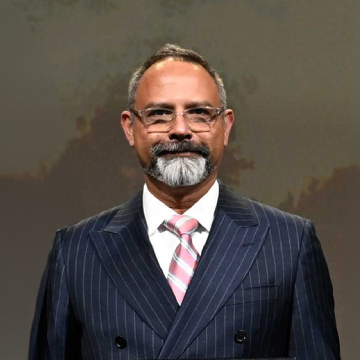
About Dr. Mohit “Dr. Moe” Modgil
With over 15 years of experience, Dr. Mohit Modgil is the founder and lead dentist at Bayport Dental Care. A graduate of NYU College of Dentistry with honors in Periodontics, he completed advanced residency training at Stony Brook University Hospital, treating complex surgical and special-needs cases. Dr. Moe is dedicated to evidence-based dentistry and is actively pursuing a fellowship with the American Academy of Implant Dentistry (AAID). Known for his precision and patient-first approach, he combines technology, compassion, and clinical excellence to deliver trusted care to families across Bayport.