
Technical Nuance: Highlight the Superiority of Screw-Retained Crowns Over Cemented Ones
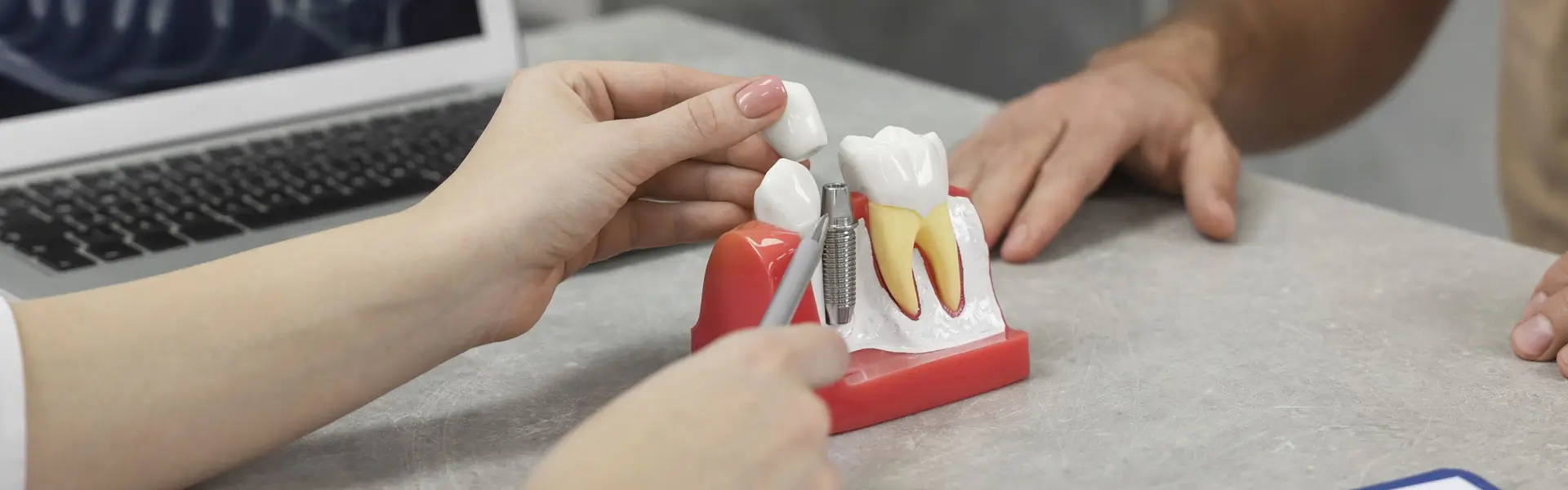
A dental implant restoration consists of several connected components that work together to restore a missing tooth. One important part of treatment planning is deciding how the final crown will be fixed to the implant. The two most common attachment methods are screw-retained and cement-retained implant crowns.
Both approaches can restore comfortable chewing while creating a natural-looking smile when selected for the appropriate clinical situation. However, many dentists prefer screw-retained crowns because they simplify future maintenance, provide easier access to implant components when clinically indicated, and eliminate concerns related to excess dental cement. Patients considering a dental crown in Bayport, NY should receive an individualized recommendation based on implant position, bite, esthetic priorities, and long-term restorative goals.
What Is a Screw-Retained Implant Crown?
-
How It Works
-
Access Channel
-
Designed for Retrievability
With this design, the final crown is secured using a small fixation screw that connects directly to the implant or a compatible abutment. The connection creates a stable restoration while allowing future access if necessary.
A small access opening allows the dentist to reach the fixation screw. After the crown is secured, this opening is sealed with a tooth-colored restorative material that blends naturally with the surrounding surface.
One of the greatest advantages of this design is that the restoration can often be removed without damaging it. If repairs or maintenance become necessary, the crown can usually be removed and reattached without replacing the entire restoration.
What Is a Cement-Retained Implant Crown?
-
How It Works
-
Appearance
-
Fixed Restoration
A cement-retained implant crown fits over an implant abutment in a manner similar to a traditional dental crown. Dental cement secures the crown to the supporting implant abutment.
Because there is no screw access opening through the crown, this design may provide an aesthetic advantage in situations where the access channel would otherwise appear in a visible location.
Once the crown has been cemented into place, reaching the implant components becomes more challenging. In some cases, the existing crown may need to be cut or replaced to access the implant beneath it.
Why Many Dentists Prefer Screw-Retained Crowns
Easier Retrieval
Since the crown can often be removed intact, future repairs and routine maintenance are generally easier to perform. This retrievability allows dentists to evaluate or service the restoration without unnecessarily replacing the entire crown.
Simpler Maintenance
Direct access to the implant components allows the dentist to inspect, repair, or replace parts more easily when necessary. This can simplify follow-up visits and improve long-term serviceability.
Reduced Risk of Excess Cement
Because this design does not rely on dental cement, it eliminates the risk of residual cement being trapped beneath the surrounding gum tissue. Residual cement has been associated with inflammation around implants in some patients, although careful clinical technique remains important regardless of the restoration type.
Improved Long-Term Serviceability
Since implant restorations are designed for long-term use, easy access for future maintenance is an important part of treatment planning. Screw-retained restorations often make screw tightening, component replacement, and laboratory repairs more straightforward.
Predictable Follow-Up Care
For patients comparing implant crown options, retrievable restorations may simplify future maintenance throughout the life of the implant while helping preserve the original restoration whenever possible.
Clinical Situations Where Screw-Retained Crowns Excel
-
Single-Tooth Implants
-
Implant Maintenance Cases
-
Patients at Higher Risk of Peri-Implant Disease
-
Long-Term Restorative Planning
Single-tooth implants are often good candidates for screw retention when implant positioning allows the access channel to emerge in a favorable location.
Patients who may require future maintenance often benefit from a restoration that can be removed without damaging it.
Removing cement from the restoration process eliminates one potential factor that may contribute to irritation around dental implants. However, long-term peri-implant health also depends on excellent oral hygiene, routine professional care, implant positioning, and individual risk factors.
Individuals searching online for a dental crown near me should understand that long-term maintenance is an important part of implant success. Choosing a restoration that allows convenient future access may simplify care for years to come.
When Cement-Retained Crowns May Still Be Appropriate
-
Implant Angulation Limitations
-
Esthetic Considerations
-
Individualized Treatment Planning
Certain implant positions may prevent the screw access opening from emerging in an ideal location. In these situations, a cement-retained implant crown may be considered when it better supports the restorative plan.
Some cases place a greater emphasis on concealing the access channel. Depending on implant angulation and smile design, a cement-retained restoration may provide a more favorable cosmetic outcome.
The most appropriate attachment method depends on each patient’s anatomy, implant position, bite, esthetic preferences, and long-term restorative goals. Neither option is automatically the best choice for every patient.
Screw-Retained vs. Cement-Retained Crowns
| Comparison Factor | Screw-Retained Crown | Cement-Retained Crown |
| Retrievability | Excellent | More difficult |
| Maintenance | Easier | More complex |
| Excess Cement Risk | None | Possible |
| Repair Access | Convenient | Often limited |
| Long-Term Serviceability | Excellent | Good, depending on the case |
| Esthetics | Excellent in many situations | May be preferred in selected cases |
How Modern Digital Dentistry Improves Screw-Retained Restorations
-
Digital Implant Planning
-
Guided Surgery
-
CAD/CAM Technology
-
Improved Functional Outcomes
Digital planning software helps the surgical and restorative teams coordinate implant placement before treatment begins, improving restorative accuracy.
Computer-guided surgical templates help position implants more accurately during the procedure, supporting restorative planning from the start.
Modern CAD/CAM implant crown technology produces customized restorations with a precise fit for each patient’s implant restoration.
Digital technology supports treatment accuracy, but long-term success also depends on careful planning, skilled clinical care, good oral hygiene, and regular follow-up visits.
Bayport Dental Care offers implant-related restorative services, although the practice website does not specify a preferred crown-retention system. Treatment recommendations should always be based on an individual clinical evaluation.
Final Thoughts
Both screw-retained and cement-retained implant crowns have proven successful when selected according to a patient’s specific clinical needs. From a long-term maintenance perspective, screw-retained crowns often provide greater flexibility because they allow easier access for repairs while avoiding issues related to excess cement.
The final treatment recommendation should always be based on the patient’s anatomy, implant position, bite, esthetic preferences, and overall restorative objectives. Discussing these factors with your dentist helps decide which attachment method is most appropriate for your individual situation.
Frequently Asked Questions
Many dentists choose screw-retained crowns because they make future maintenance, repairs, and implant access much easier.
Not necessarily. Longevity depends on implant placement, bite forces, restoration design, the materials used, and ongoing maintenance rather than the attachment method alone.
No. Implant position, angulation, available space, and esthetic requirements all influence whether screw retention is the most appropriate option.
Both types of implant crowns can provide excellent long-term results when they are properly planned, maintained, and evaluated during routine dental visits.
About Dr. Mohit “Dr. Moe” Modgil
With over 15 years of experience, Dr. Mohit Modgil is the founder and lead dentist at Bayport Dental Care. A graduate of NYU College of Dentistry with honors in Periodontics, he completed advanced residency training at Stony Brook University Hospital, treating complex surgical and special-needs cases. Dr. Moe is dedicated to evidence-based dentistry and is actively pursuing a fellowship with the American Academy of Implant Dentistry (AAID). Known for his precision and patient-first approach, he combines technology, compassion, and clinical excellence to deliver trusted care to families across Bayport.