
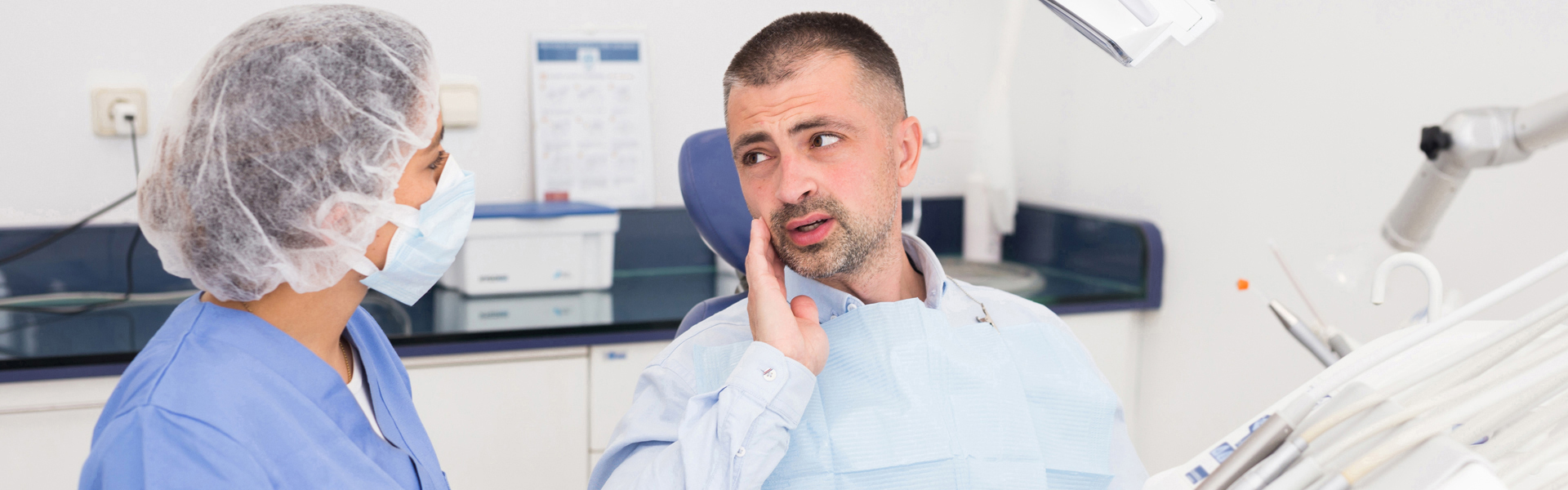
How Emergency Dentists Save Knocked-Out Teeth
A knocked-out adult tooth is one of the most time-sensitive dental injuries. Quick, calm steps protect the root surface and the socket so your dentist can attempt replantation. Here’s what happens in the first hour: how to handle the tooth correctly, how to bring it to the dentist, what your dentist does chairside, and how to care for it afterward. Plus, there are quick answers to common questions, so you arrive prepared.
The First Hour: Why Timing Matters
When an adult tooth is avulsed, living cells on the root surface (periodontal ligament cells) begin to dry and die. The sooner those cells are preserved and the tooth is repositioned, the better the chances for reattachment. Every minute counts.
- Keep the tooth moist at all times; never let it dry
- Handle the tooth properly to protect living root
- Get to a dentist as soon as it’s safe, and call on the way so the team can
How to Handle the Tooth (Do This First)
Proper handling is the most critical step for preserving the tooth and improving the chance of successful replantation.
- Hold the crown only, never the The root surface contains delicate living cells needed for healing.
- If the tooth is dirty, gently rinse it for a few seconds with cool or cold milk, saline, or clean cool water.
- Do NOT scrub, scrape, brush, or disinfect the Do not use soap, alcohol, or chemicals.
- Make sure visible dirt is removed, but handle as little as possible.
- Do not dry the tooth or wrap it in tissue or cloth.
Once the tooth is clean and handled correctly, move to the next step.
How to Bring the Tooth to the Dentist
After the tooth has been handled properly:
- If possible, gently place the tooth back into the socket, making sure it is facing the correct direction.
- Bite down softly on clean gauze or a cloth to keep it in place.
- If reinsertion is not possible, keep the tooth moist by placing it in:
- Cold milk (preferred), or
- Your own saliva (only if you are alert and not at risk of swallowing it).
- Do not store the tooth in tap water for transport.
- Bring any tooth fragments or nearby restorations if available.
- If you wear a mouthguard or retainer, bring it; it may help protect the area after treatment.
If you’re searching for help while traveling, a listing for an emergency dentist in Bayport, NY can guide you to a nearby office equipped to handle avulsions and same-day splinting.
In the Chair: Exam, X-Rays, and Socket Care
Once you arrive, your dentist will move quickly but systematically:
- Medical and injury history: What happened, when it occurred, and whether there was loss of consciousness.
- Clinical examination: Teeth, gums, lips, and cheeks are checked for injuries or debris.
- Radiographs (X-rays):These confirm tooth position, assess for root or bone fractures, and rule out foreign bodies.
- Socket care:If needed, the socket is gently irrigated with saline to remove clots or debris.
- No scraping is done, as preserving remaining cells is essential.
If the tooth was reinserted before arrival, imaging confirms placement. If not, the dentist prepares for immediate replantation when conditions allow.
Replantation and Flexible Splinting: How It Works
Replantation is usually attempted for permanent teeth. Baby teeth are not replanted because they can damage the developing adult tooth.
- Repositioning: The dentist carefully aligns and reinserts the You bite on gauze while positioning is confirmed.
- Flexible splinting:A small wire or fiber ribbon is bonded to neighboring teeth to stabilize the tooth.
- Flexible splints allow slight movement, which supports better ligament healing than rigid
- Bite adjustment: Your bite is checked so the tooth is not under heavy
- Follow-up plan:Splints usually remain for 1–2 weeks, longer if bone fractures are present.
Prognosis depends on age, time out of the mouth, storage method, and root development—factors any emergency dentist will evaluate.
Medications, Pain Control, and Aftercare at Home
After replantation, the goals are comfort, infection prevention, and gentle healing.
- Pain relief: OTC acetaminophen or ibuprofen as Avoid aspirin if there is bleeding.
- Antibiotics and tetanus: Antibiotics may be prescribed, and tetanus status reviewed, especially for outdoor injuries.
- Hygiene: Brush gently with a soft toothbrush; warm saline rinses after meals may be recommended.
- Diet:Soft foods on the opposite side; avoid very hot, very cold, crunchy foods, and alcohol.
- Activity:Avoid contact sports until cleared. Use a mouthguard once the splint is removed.
- Follow-ups:Visits are needed for splint removal, vitality testing, and monitoring. Some teeth may require root canal treatment later.
When Replantation Isn’t Possible: Next Steps
In some cases—such as severe root fractures, prolonged dry time, or baby teeth—replantation isn’t advised. Your dentist will discuss options to protect bone and appearance:
- Temporary space maintenance to prevent shifting
- Bonded temporary solutions for appearance during healing
- Long-term options such as implants, bridges, or conservative adhesive treatments once the site is ready
The focus is comfort now and a durable, esthetic plan later.
Final Thoughts
A clear plan turns a frightening moment into manageable next steps. Handle the tooth correctly first, keep it moist, hold the crown only, and get to care fast. Your dentist will examine, image, gently clean the socket, replant when appropriate, and stabilize the tooth with a flexible splint. With soft foods, gentle hygiene, and timely follow-ups, healing has the best chance to succeed.
When you need calm, same-day guidance and a practical plan forward, book your urgent visit with Bayport Dental Care.

About Dr. Mohit “Dr. Moe” Modgil
With over 15 years of experience, Dr. Mohit Modgil is the founder and lead dentist at Bayport Dental Care. A graduate of NYU College of Dentistry with honors in Periodontics, he completed advanced residency training at Stony Brook University Hospital, treating complex surgical and special-needs cases. Dr. Moe is dedicated to evidence-based dentistry and is actively pursuing a fellowship with the American Academy of Implant Dentistry (AAID). Known for his precision and patient-first approach, he combines technology, compassion, and clinical excellence to deliver trusted care to families across Bayport.